
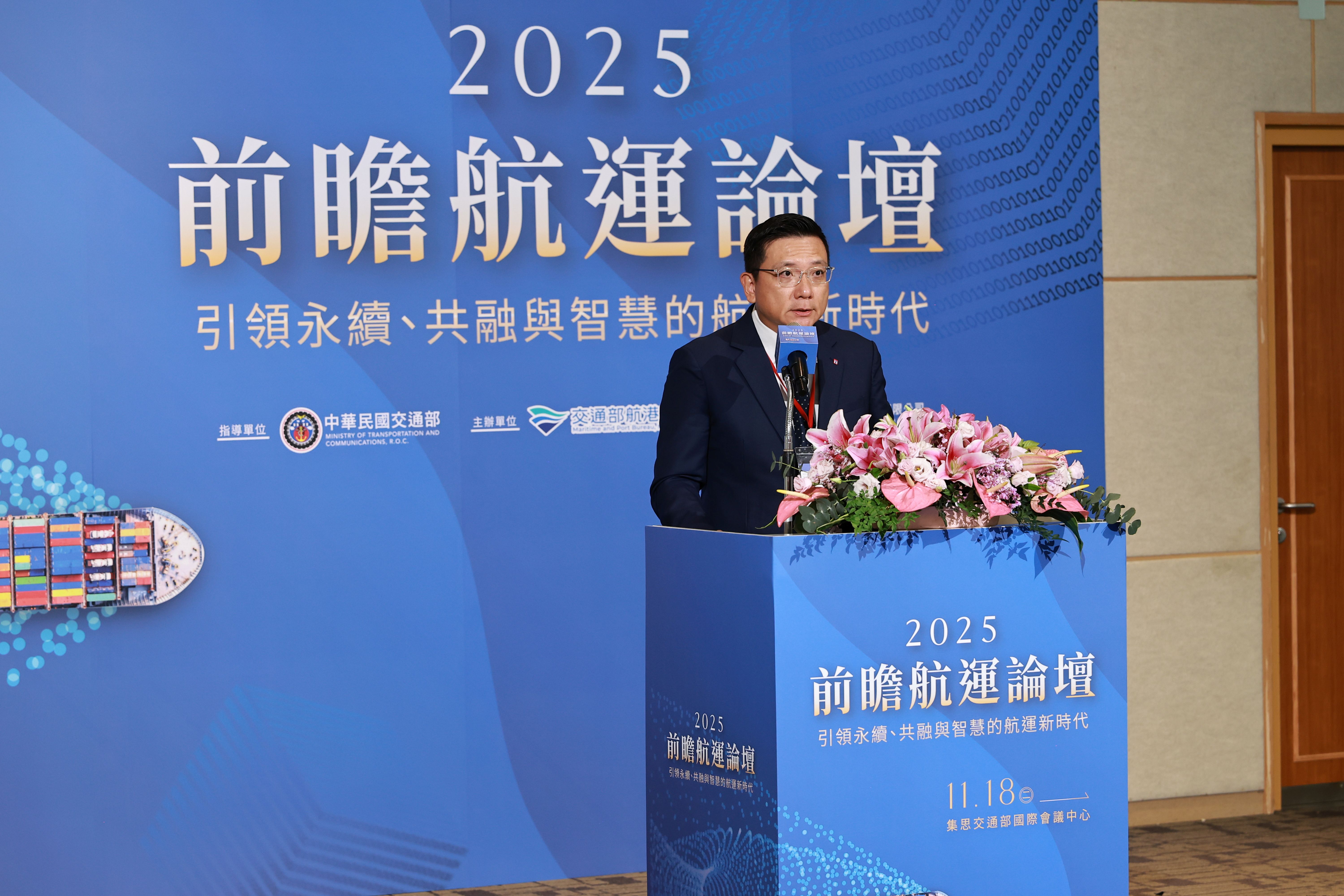
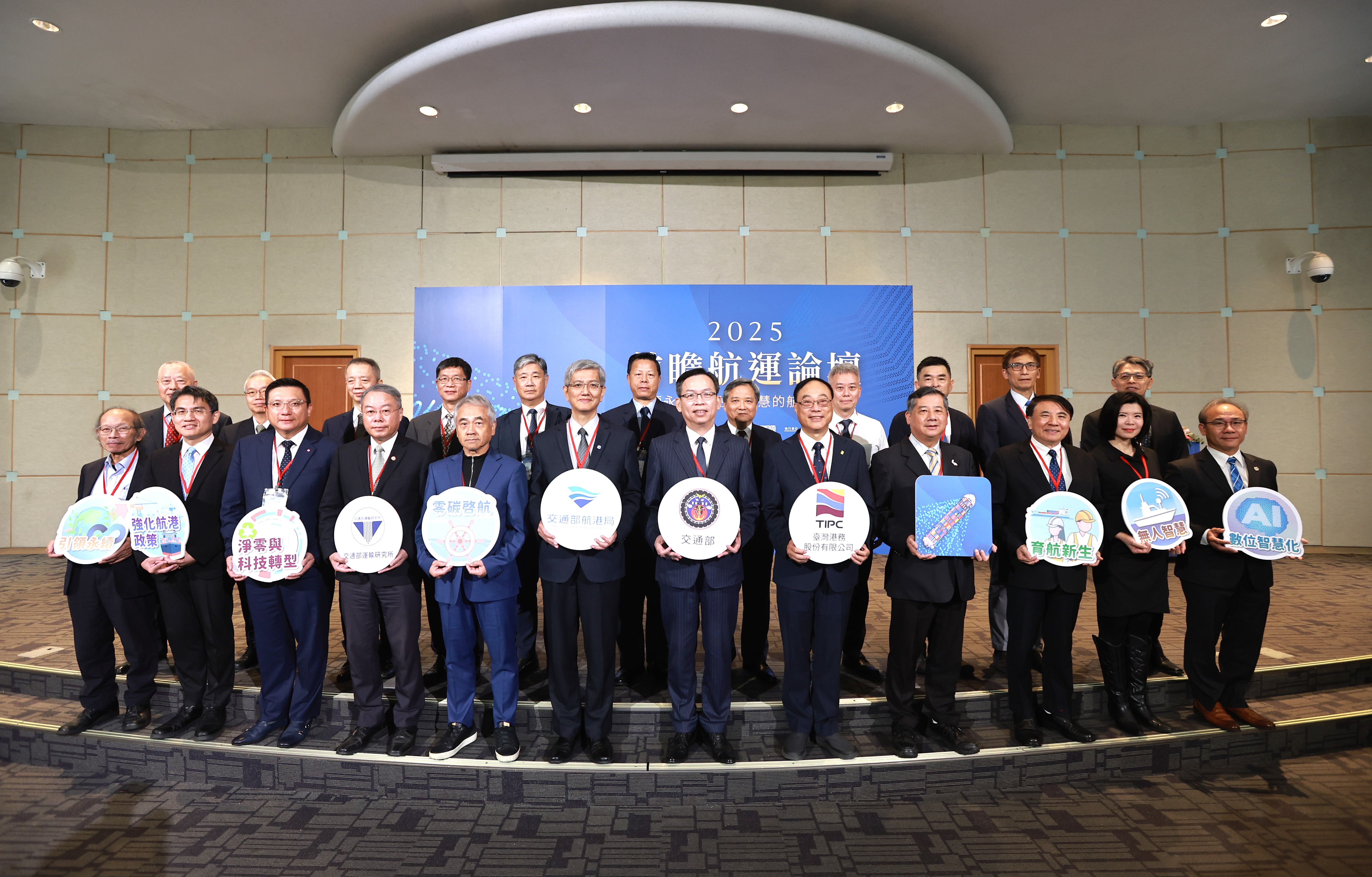
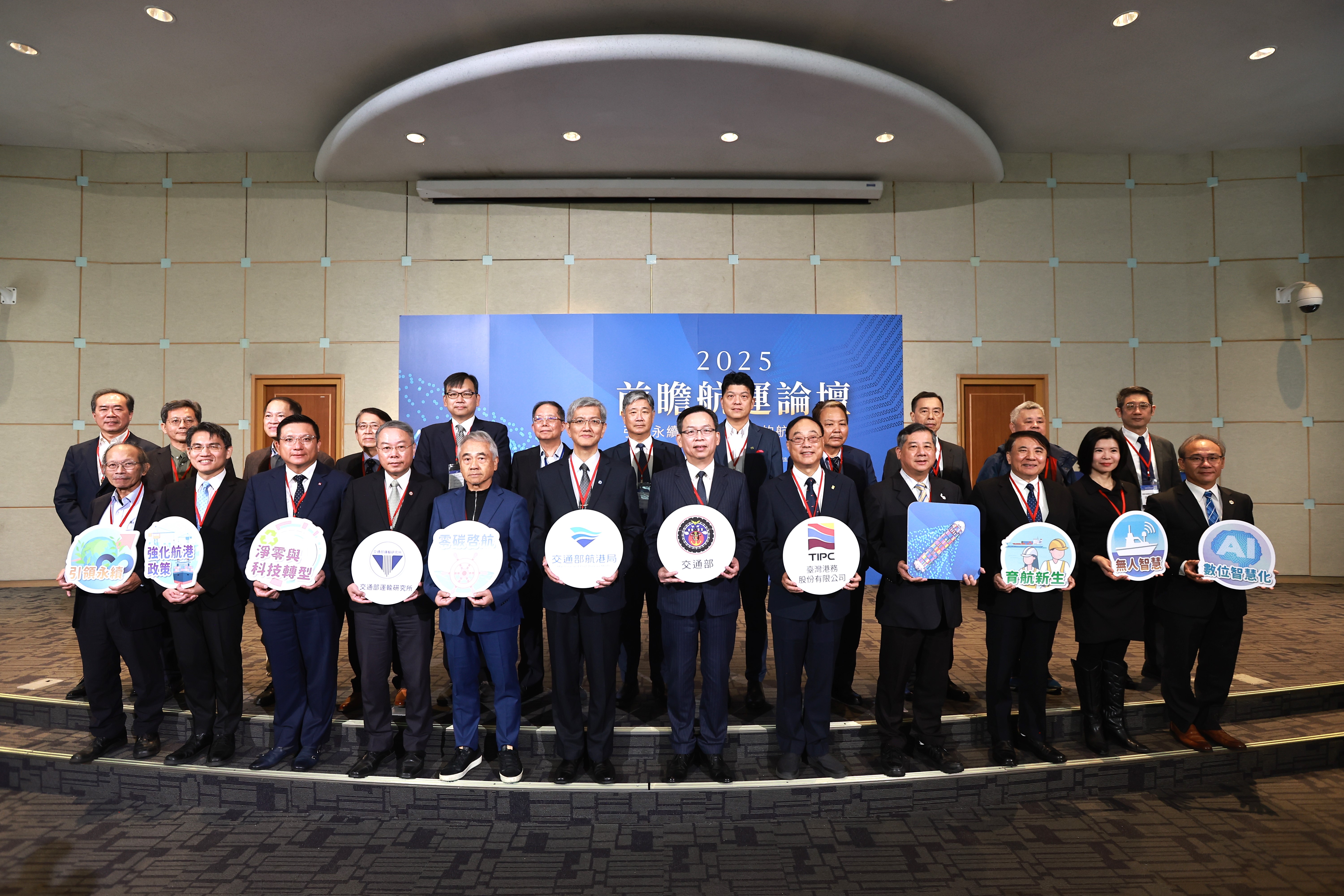
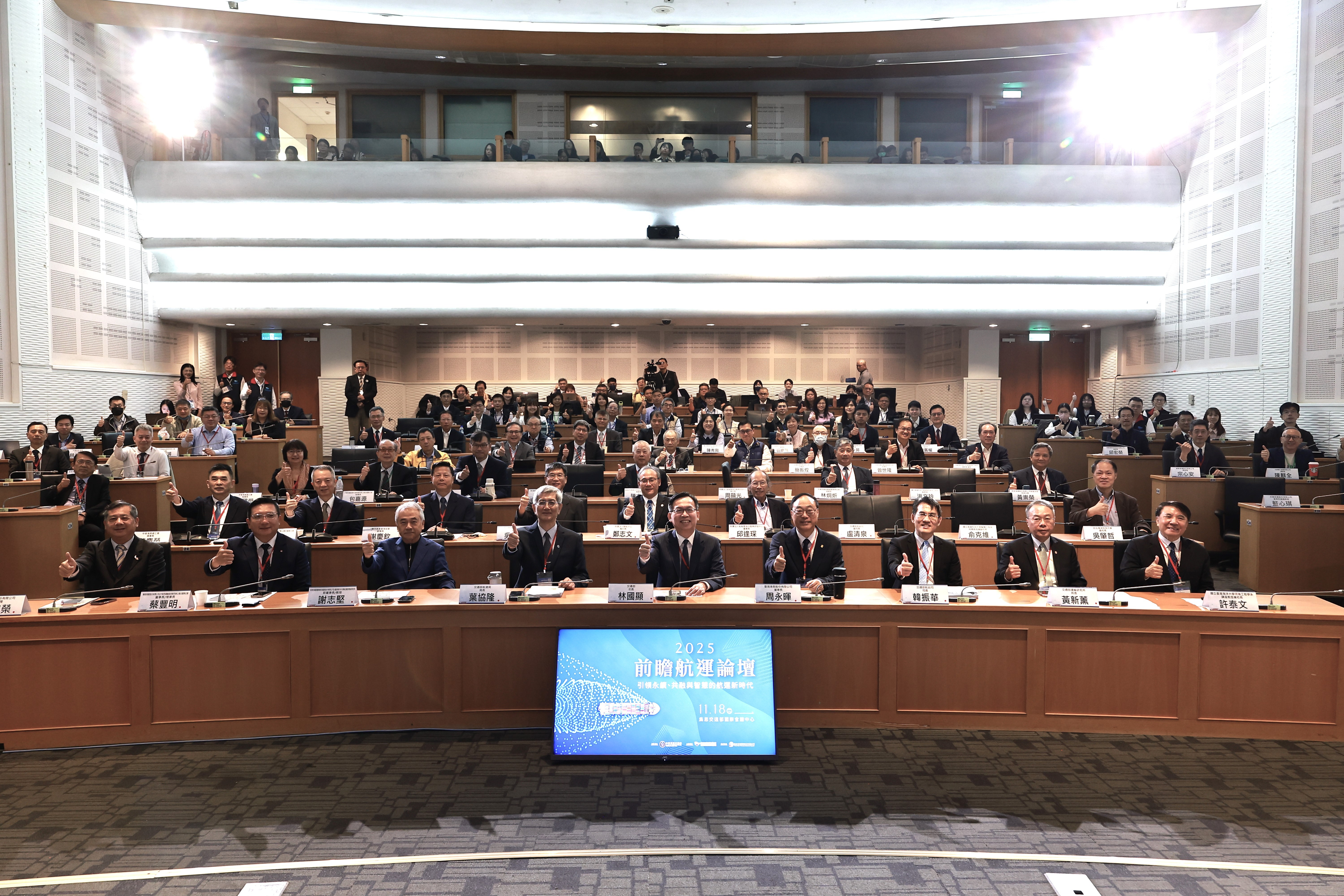
To enable Taiwan’s maritime industry to effectively keep up with global trends and take advantage of valuable opportunities, the Maritime and Port Bureau (MPB) of the Ministry of Transportation and Communications (MOTC) hosted the 2025 Foresight Maritime Forum today (the 18th) at the GIS MOTC Convention Center. Centered on the theme of “leading a new era of sustainable, inclusive, and intelligent shipping,” the forum concentrated on three critical areas: net-zero sustainability, autonomous intelligence, and talent cultivation. The event invited leading figures and experts from domestic maritime-related governmental, industrial, academic, and research sectors, attracting more than 200 participants who gathered to collaboratively envision the future blueprint of Taiwan’s maritime sector.
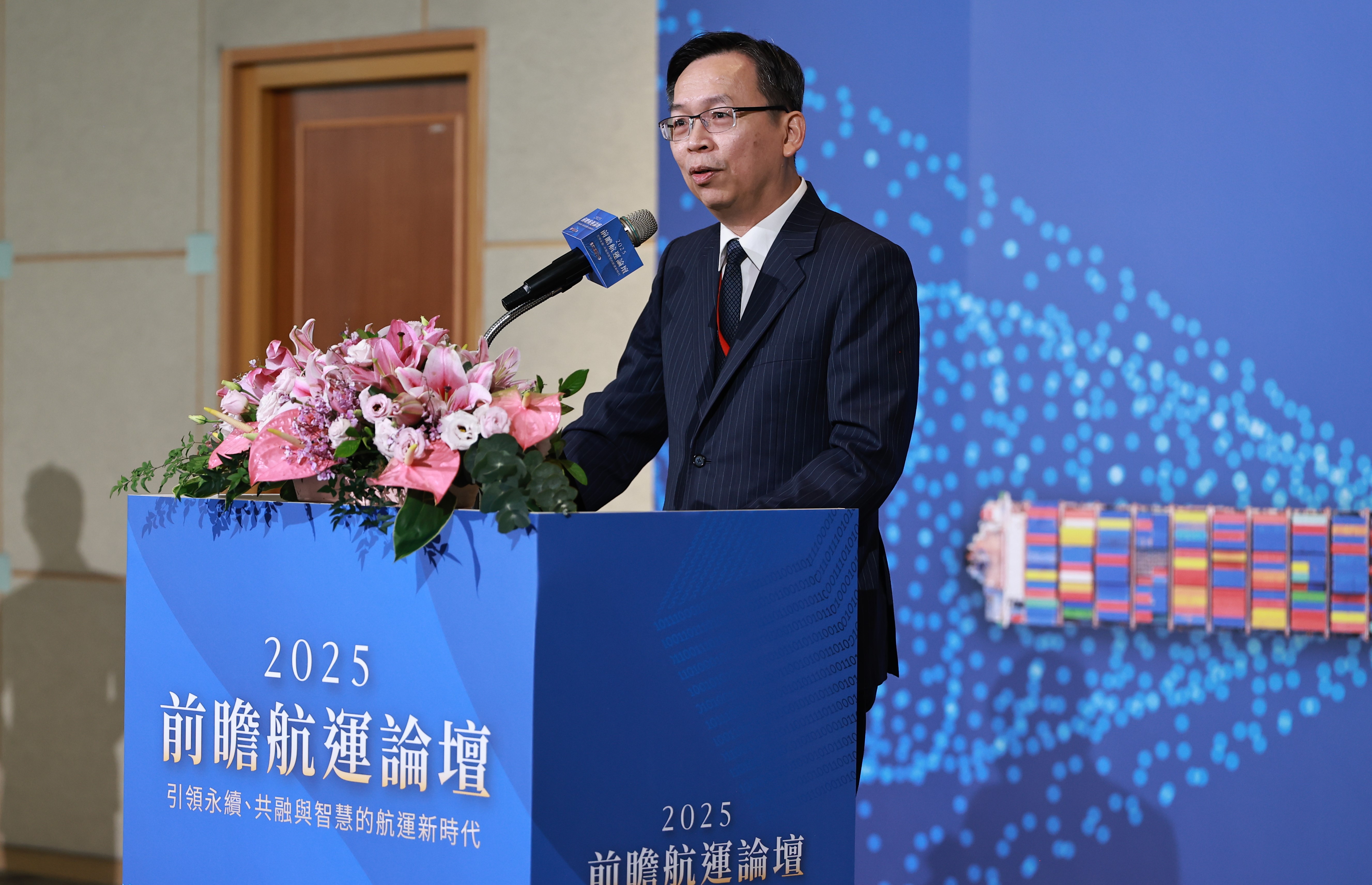
In his opening remarks, MOTC Administrative Deputy Minister Lin Kuo-shian stated that inclusivity was as important a theme as sustainability and intelligence. Inclusivity reflects the shared prosperity and mutual benefit of all stakeholders in the maritime sector, the integration of traditional and emerging technologies, and the harmonious coexistence in the shipping industry. He noted that the world is currently undergoing a dual transformation toward net-zero emissions and digitalization. According to the United Nations’ Emissions Gap Report 2024, the transportation sector accounts for approximately 14% of global carbon emissions. Overseeing land, sea, and air transport in Taiwan, the MOTC has proactively promoted various initiatives and cross-departmental collaboration to align with international development. Deputy Minister Lin further noted that because full electrification is not yet possible when operating aircraft and marine vessels, the maritime sector will inevitably face carbon credit costs imposed by various countries. To address this problem, Taiwan must not only adjust its operational models but also incorporate diverse new energy sources. Accordingly, the MOTC has instructed the MPB and affiliated port authorities to integrate European procedures for the production, installation, and standardization of new energy systems into safety inspection protocols for ports and vessels by the end of this year. He emphasized that talent cultivation is an indispensable element for enterprises. On the basis of the Chinese proverb that “new branches are grown from old trunks,” a balanced approach that both cultivates emerging talent and retains existing professionals is key to facilitating sustainable industry development. Deputy Minister Lin concluded by highlighting the relevance of the forum’s topics amid ongoing environmental changes. These discussions encourage a reassessment of challenges across all sectors and underscore the forum’s value. He advocated for its continued annual organization to enhance public understanding of maritime transport’s pivotal role on the global stage, and stated that the significance of maritime transport is greater than generally perceived. Finally, he expressed hope that those working in relevant industry will take pride in their contributions, because their presence truly makes a big difference.
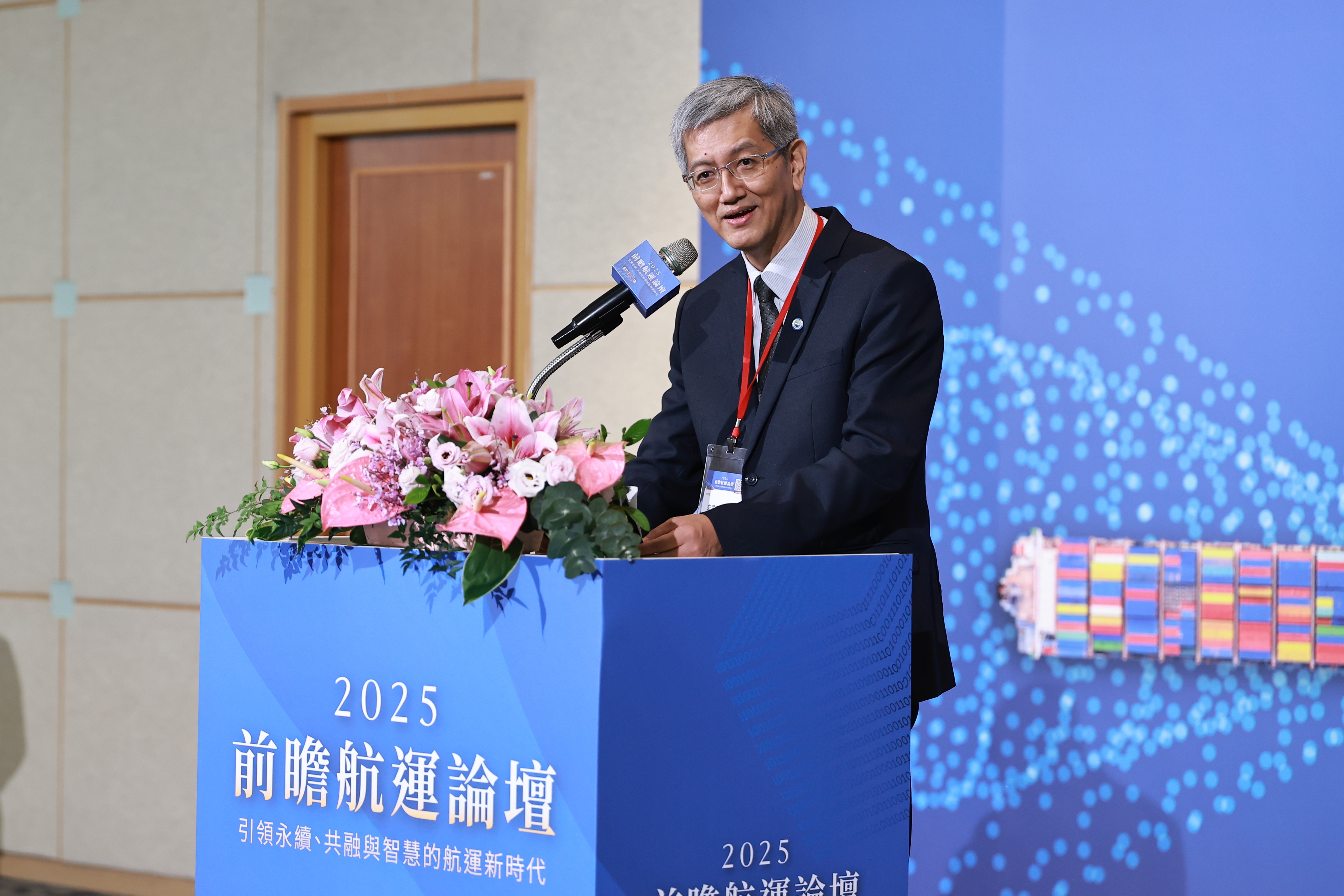
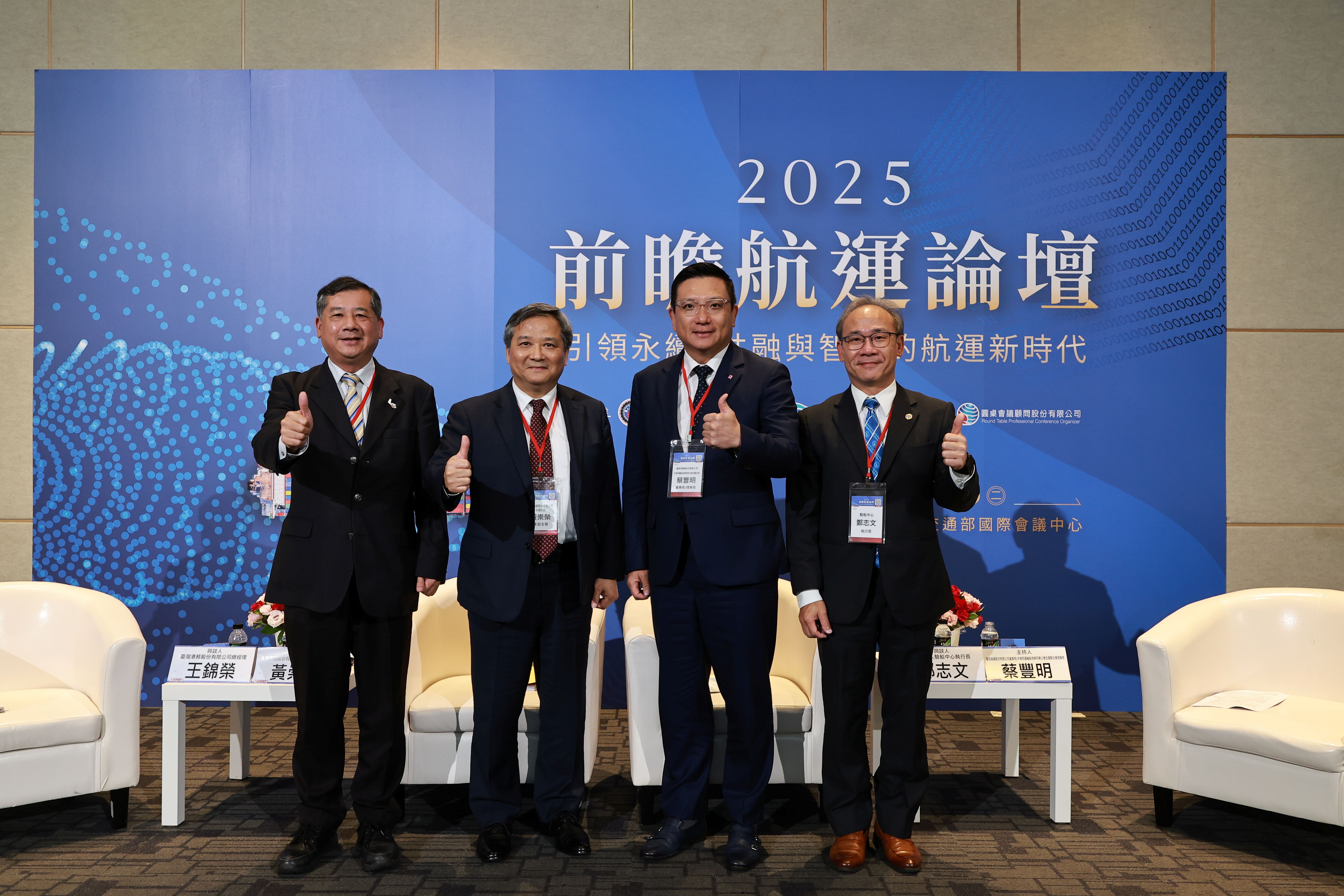
The Chairman of the National Association of Chinese Shipowners Tsai Feng-ming emphasized in his speech that maritime transport, as a critical method of global economic exchange, has confronted a range of challenges in recent years, including geopolitical tension, supply chain restructuring, and climate change. The industry is currently balancing efficiency, cost-effectiveness, sustainable development, and the transition toward digital and renewable energy. From both regulatory and practical perspectives, the sector has engaged in in-depth exploration of maritime talent cultivation, unmanned vessel technology, digital data sharing, and the application of artificial intelligence and automation, all of which involve are reshaping the mindsets of maritime professionals. Chairman Tsai further asserted that now is the optimal time for the maritime industry to actively invest in green shipping initiatives, pursue digital and energy transformation, and advance sustainable development. He expressed hope that the MOTC and the MPB will continue to guide the industry toward an intelligent, inclusive, and well-structured maritime era that supports the long-term viability of the sector and fosters a more efficient and user-friendly operating environment.
President Hsu Tai-wen of National Taiwan Ocean University remarked that the forum was well aligned with current global trends, particularly those relating to climate change and the advancement of artificial intelligence technologies. He emphasized that talent cultivation is a critical factor in the development of the maritime industry and something that has been the core mission of National Taiwan Ocean University since its founding 72 years ago. To date, the university has produced nearly 100,000 alumni who have made significant contributions to the maritime and ocean industries. Looking ahead, the university will continue to promote industry–academia collaboration, align with public policy, and maintain open channels of communication. The university will also integrate more advanced technologies, revise and modernize its curriculum, and remain committed to nurturing highly capable professionals for the future.
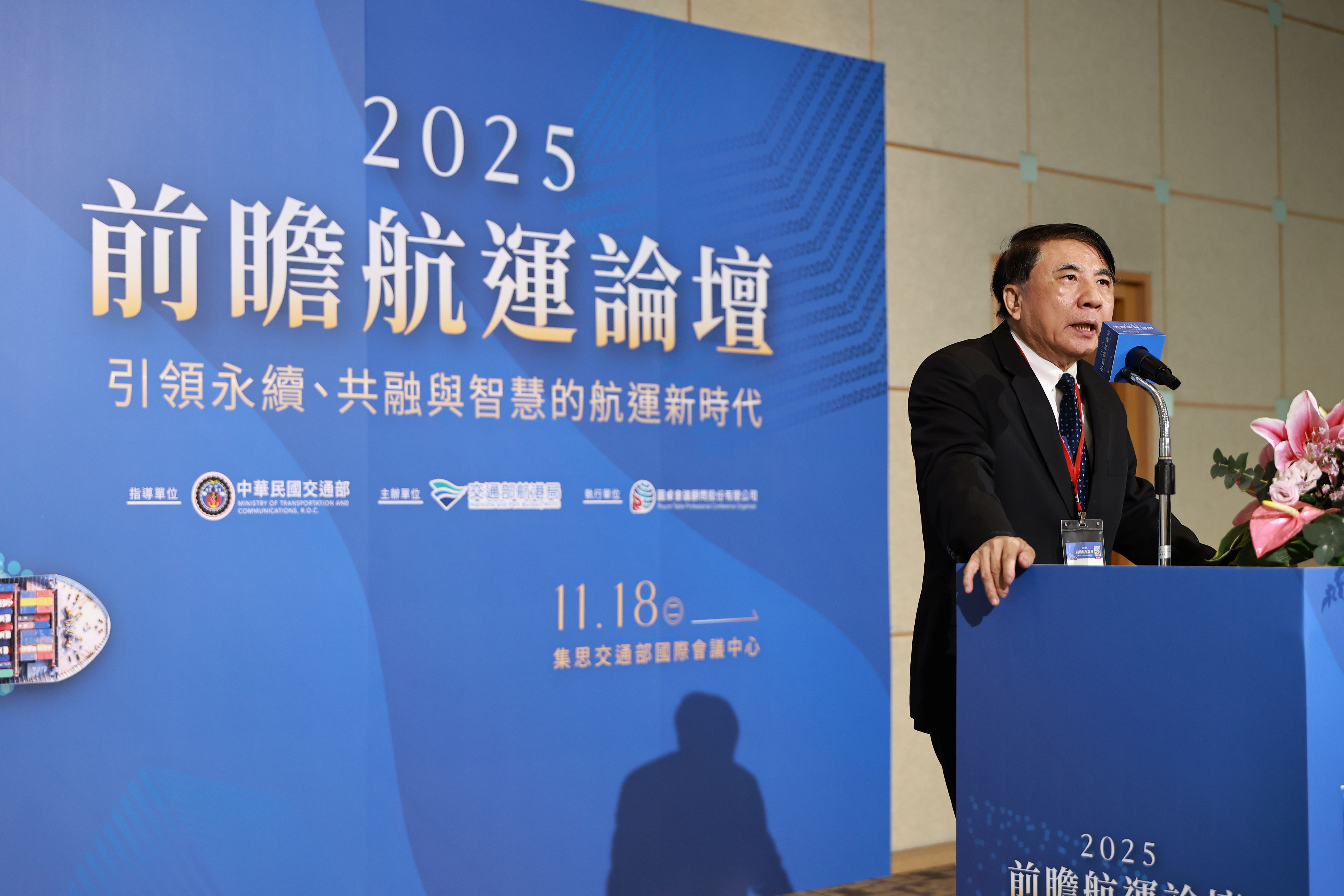
In his welcome address, MPB Director General Yeh Hsieh-lung stated that the Bureau has hosted the Foresight Maritime Forum annually since 2019, with the goal of bringing together stakeholders from governmental, industrial, academic, and research sectors to stay abreast of the latest global maritime trends. The forum aims to focus on forward-looking and pressing issues in maritime affairs, provide a platform for in-depth discussions, and collect valuable insights from all sectors to inform future policy development. Director General Yeh further informed that recent years have seen remarkable prosperity in Taiwan’s maritime industry, owing to the concerted efforts of all parties involved. According to the maritime transport report published by the United Nations in September of this year, Taiwanese-flagged carriers collectively operate a fleet with a total capacity of 63.88 million deadweight tons, ranking eighth globally and signifying their considerable strategic significance in the international arena. Nonetheless, the global maritime environment continues to face numerous uncertainties, challenges, and opportunities. Therefore, close collaboration among stakeholders in the governmental, industrial, academic, and research sectors remains essential to ensuring that Taiwan’s maritime industry maintains its global competitiveness.
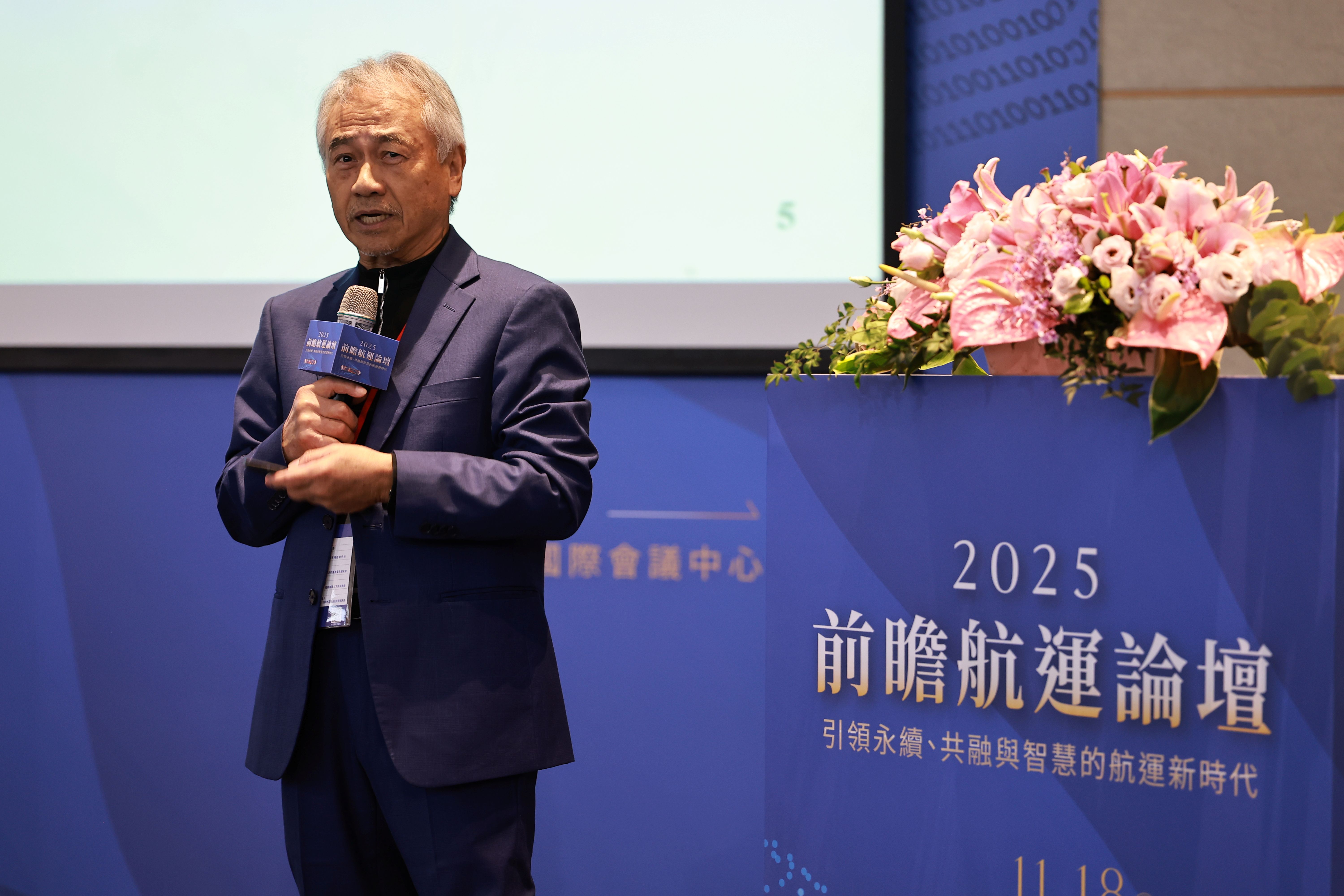
This year’s forum featured a keynote address by a prominent leader in the maritime industry, Bronson Hsieh, who served as a former Chairman of Evergreen Marine Corporation and Yang Ming Marine Transport Corporation. His presentation, titled “Global Container Shipping Market Trend Analysis,” offered an in-depth examination of the latest development and forward-looking insights in global maritime transport. Following the keynote, three thematic panel sessions were held. The sessions were chaired respectively by Tsai Feng-ming, chairman of Yang Ming Marine Transport Corporation; Yeh Hsieh-lung, director general of the MPB; and Huang Hsin-hsun, director of the Institute of Transportation. Panelists included Cheng Chih-wen, president of the CR Classification Society; Huang Chung-jung, vice president of Evergreen Marine Corporation; Wang Chin-jung, president of Taiwan International Ports Corporation; Pai Tsung-yuan, manager of Evergreen Marine’s Seafarer Training Center; Yu Ker-wei, vice president of National Kaohsiung University of Science and Technology; Lu Chin-shan, chairman of the Chinese Maritime Institute; Chou Shean-kwang, CEO of the Ship and Ocean Industries R&D Center; Lu Fang-yi, general manager of business at Lloyd’s Register Marine Taiwan; and Huang Chien-hua, chief surveyor of the CR Classification Society. The sessions had the following themes: cocreating a sustainable future for the maritime industry; building the future potential of maritime talent, and shaping the future of autonomous surface vessel navigation. The sessions explored the latest international standards, examined possible future development, and enabled dynamic interaction and real-time dialogues with forum participants.
The MPB hoped that through this forum, Taiwan’s maritime industry will successfully transform in response to the rapidly evolving global maritime landscape, achieve continuous growth and sustainable development, retain its leading position in global shipping, and progresses toward a brighter future for Taiwan’s maritime sector.
Contact person: Section Chief Chang Jen-wei of the Planning Division
Contact number: 02-89782790

 LINE ID: @737qilqg Service Hours: 9:00 am - 06:00 pm on work day